One Wall, Many Wins: Bring Clarity to Every Day
Shared Clarity Starts Here
Define What Matters Right Now
Map the Week Together
Set Update Rituals That Stick
Choose the Spot and Shape the Flow

High‑Traffic, Low‑Friction Placement
See It, Reach It, Use It
Safe, Sturdy, and Easy to Clean
Build the Toolkit Everyone Understands
Calendar That Speaks at a Glance
Color belongs to people, not categories; it speeds scanning under pressure. Pink for Maya, blue for Theo, green for home, whatever feels friendly. Circle conflicts and star immovable commitments. Arrows bridge multi‑day events. Use consistent abbreviations and print legibly. Take a Monday morning photo for phones. The calendar’s job is one clear promise: show what is fixed, what flexes, and where energy already has a reservation.
Task Lanes, Owners, and Progress Signals
Divide a board into Today, This Week, Waiting, and Done. Write owners with verbs: Sam—pack clarinet; Lee—email coach. Limit Today to what genuinely fits today. Move finished tasks proudly to Done for visible momentum. Waiting holds items paused by others, reducing nagging. These lanes teach flow, reveal bottlenecks, and turn abstract responsibility into concrete, shareable progress. The sneaky reward is relief you can actually point at.
Capture Baskets for Papers, Keys, and Surprises
Designate three small containers: Incoming Papers, Keys and Cards, Returns and Library. Label clearly and clear daily. Apply the two‑minute rule: if it takes less than two minutes, do it now; otherwise, park it visibly. Keep scissors, stamps, and a date stamp nearby. When field‑trip slips, invites, and receipts arrive without warning, they land safely instead of wandering. Predictable landing zones transform clutter into next actions people respect.
Design for Every Brain and Every Age

Connect Analog Boards with Digital Lives
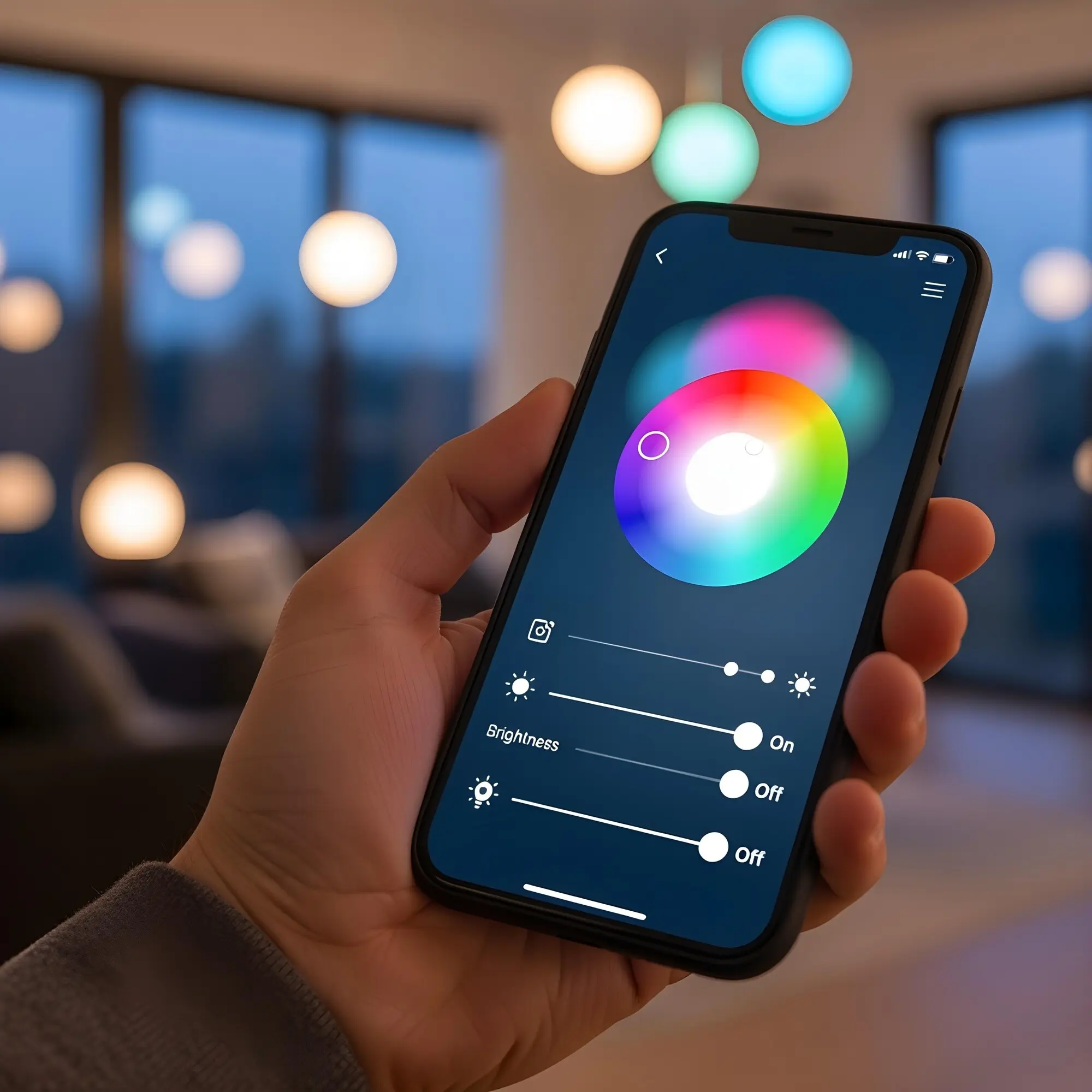
Phone Sync Without Screen Overload
Subscribe everyone to the same shared calendar and turn off noisy categories. Use summary notifications at predictable times, not constant buzzes. Print a compact weekly view and clip it near the door for glanceable truth. If something changes digitally, mark the wall too. That double tap prevents drift. Train one family member as sync steward, rotating monthly. Gentle redundancy strengthens clarity without burying attention under competing pings.
Voice Assistants and Gentle Nudges
Let spoken reminders catch fleeting thoughts: “Hey, add tissues to the list.” Morning briefings can read out the top three events while coffee brews. Use location nudges for errands near a store rather than generic alarms. Keep tones friendly and volumes low. Pair each digital nudge with a visible cue on the wall. Technology should whisper support, not shout command. Test for reliability, then trust what consistently proves helpful.
Offline Resilience for Rainy Days
Wi‑Fi drops, batteries die, and sometimes screens need a break. Keep core information inked where eyes can find it without electricity. Store spare markers, tape, and a flashlight in the drop zone. Print emergency contacts and routes. Export calendars monthly for quick reprints. When storms or outages visit, your household still moves with calm because plans remain legible, literal, and reassuringly low‑tech right where hands already reach.

Five‑Minute Evening Reset that Saves Tomorrow

Sunday Preview and Family Huddle
All Rights Reserved.